




In GMP manufacturing, equipment is not released because it looks clean. It is released when the cleaning data is reviewed, accepted, and traceable. For multi-product pharmaceutical facilities, that gap between cleaning completion and QA approval can slow the next batch, stretch changeover time, and add pressure to QC labs.
Cleaning validation protects product quality and helps prevent cross-contamination. Still, the daily release workflow can become slow when rinse samples wait in the lab queue, results sit near the acceptance limit, or records need extra review. Rinse TOC testing helps reduce that delay by giving QA, QC, and validation teams a faster way to check organic residue after cleaning.
For pharmaceutical equipment buyers, the key question is not only which TOC analyzer has strong specifications. The better question is whether the system can support routine cleaning validation, speed up equipment release, and create records that are easy to review during an audit.
Why Cleaning Validation Release Gets Delayed
Cleaning release often slows down after the cleaning step is already finished. A tank, filtration housing, transfer line, or product-contact path may be cleaned and visually checked, but production still waits for the data package.
Typical delay points include:
Rinse samples waiting behind other QC tests
Borderline TOC results that trigger extra review
Missing sample details or unclear equipment IDs
Manual record checks before QA approval
Repeated testing caused by weak sampling instructions
These issues are rarely dramatic on their own. Together, they create avoidable downtime. A faster TOC system cannot fix a weak cleaning procedure, but it can shorten release review when the sampling plan, method, and acceptance criteria are already approved.
What Rinse TOC Shows After Cleaning
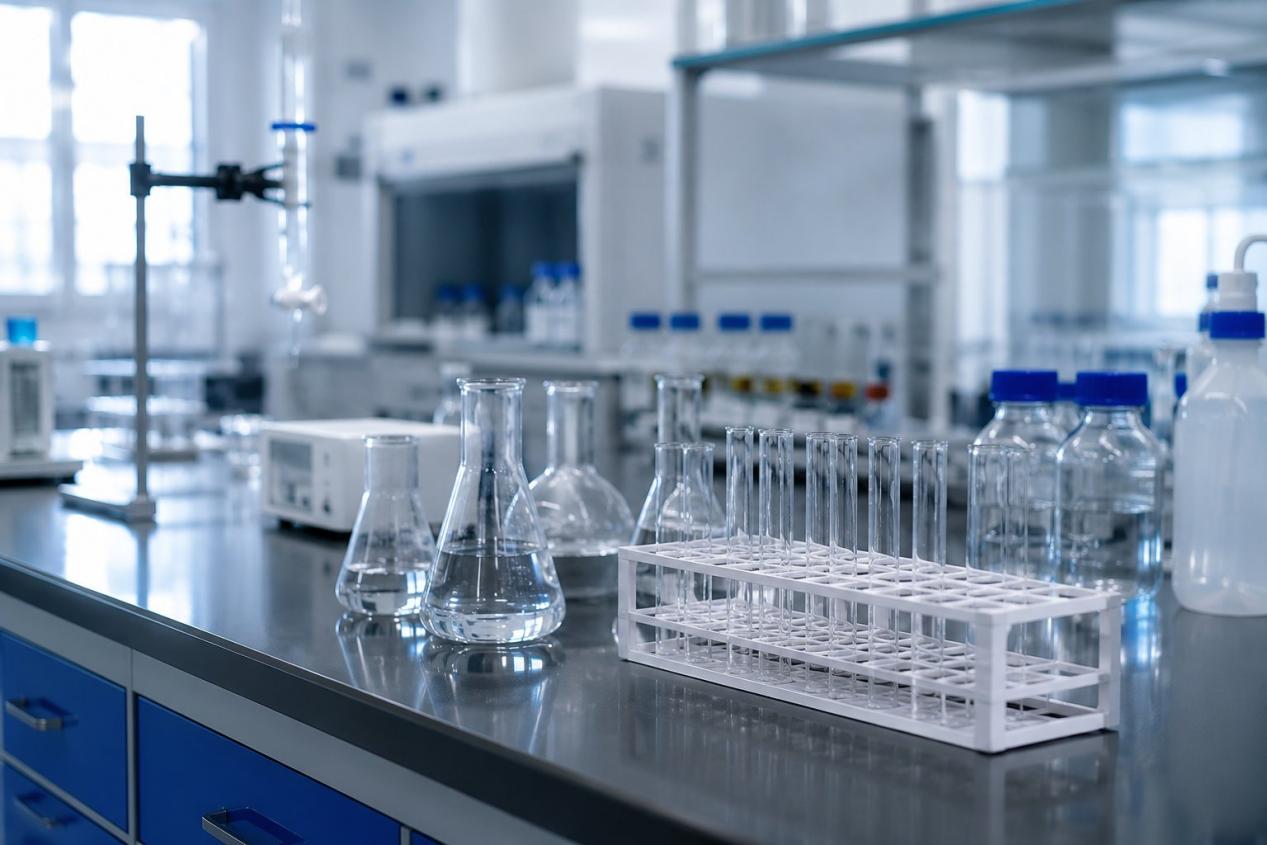
NEURONBC laboratory rinse sampling setup for pharmaceutical cleaning validation.webp
Rinse sampling checks whether organic residue is present in a defined rinse sample after equipment cleaning. The rinse liquid contacts product-contact surfaces, and the sample is tested for total organic carbon.
TOC testing does not identify each compound by name. It measures the total carbon signal from organic material in the sample. In cleaning validation, that may include carbon from APIs, excipients, degradants, or cleaning-related residues.
Rinse sampling is especially useful for large or hard-to-access product-contact areas, such as tanks, transfer lines, piping, CIP systems, and filtration-related equipment surfaces that are difficult to swab. However, it is not a universal replacement for swab sampling. If a residue does not dissolve well, remains trapped, or sits on an accessible high-risk surface, direct surface sampling may still be needed.
For audit readiness, rinse TOC data should be backed by a validated method, justified acceptance criteria, and evidence that the rinse sample represents the equipment surfaces under review.
How Low-Level TOC Data Supports Faster Release
Final rinse samples often sit at very low carbon levels. The equipment has been cleaned. Visual inspection has passed. The main question becomes whether the rinse TOC result meets the approved limit and fits the normal trend.
This is where low-level TOC measurement becomes valuable. A stable result near the expected range gives QA more confidence than a number that requires repeated checks or manual explanation.
|
Review point |
Why it matters |
|
TOC result vs. limit |
Confirms whether the rinse sample meets the approved criterion |
|
Blank result |
Helps rule out water, container, or handling background |
|
Historical trend |
Shows whether the cleaning process is stable |
|
Sample point |
Links the result to the right equipment risk |
|
Electronic record |
Supports faster QA review and audit traceability |
For GMP facilities, cleaning validation TOC data is most useful when it links the rinse sample, acceptance limit, equipment ID, and review record into one clear release decision.
NEURONBC TA-2.0 fits this type of workflow because it is designed for low-level TOC measurement in water samples, using UV oxidation and direct conductivity measurement. For QC teams handling final rinse samples, the practical value is not only the test result. It is faster review, clearer records, and fewer unnecessary release delays.
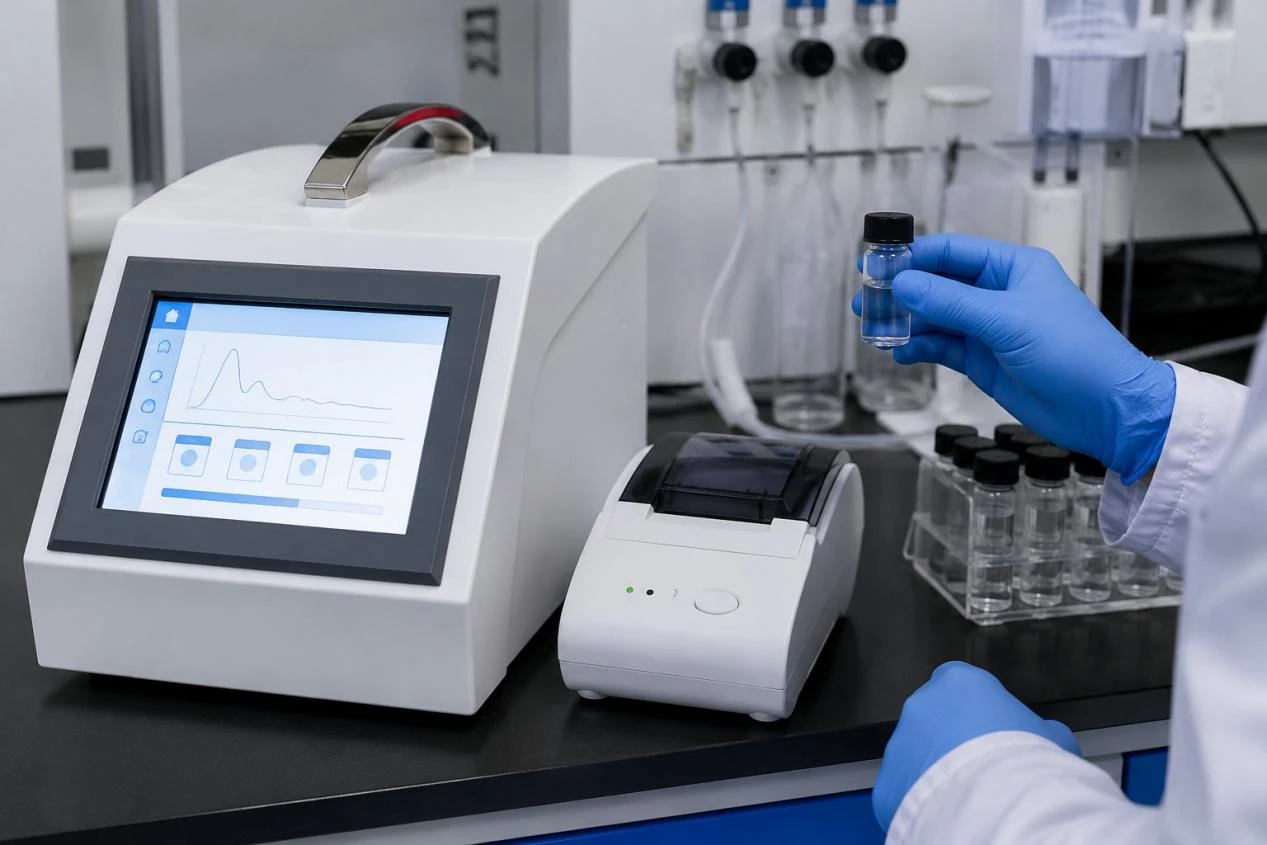
NEURONBC ta-2-0 toc analyzer for rinse toc testing.webp
Reducing Residue Risk Without Delaying GMP Release
Faster release should not weaken residue control. The goal is to remove waiting that adds no quality value while keeping the decision scientifically sound.
A strong rinse TOC workflow should define:
Sample point and equipment coverage
Rinse volume and sample container
Blank handling
Holding time
TOC acceptance limit
Retest rules
Deviation triggers
Review responsibility
These details help prevent common release problems. A sample with an unclear point, missing timestamp, or undefined retest rule can delay release even when the TOC result itself is acceptable.
For GMP users, data integrity is also part of residue risk control. NEURONBC TA-2.0 includes electronic testing records, audit trail functions, and user access control, which are practical features for regulated labs reviewing cleaning validation data.
What GMP Buyers Should Look for in a TOC System
A TOC system for cleaning validation should fit the site's real workflow, not just look strong on a specification sheet.
Low-Level Performance for Rinse Samples
Final rinse samples often require reliable low-level measurement. Buyers should check whether the system fits the site's expected TOC range, sample type, and acceptance limits.
Routine Speed for Release Review
Fast response is valuable when QC and QA can actually use the data quickly. If sampling, testing, and review steps are already clear, faster TOC testing can reduce equipment hold time.
Data Integrity for Regulated Labs
Electronic records, audit trails, and controlled user access help support traceability. These features matter when cleaning validation data is reviewed during internal audits, customer audits, or inspections.
Why NEURONBC TOC Analyzers Fit GMP Rinse TOC Testing
NEURONBC serves pharmaceutical equipment and GMP manufacturing users with precision testing instruments, including Total Organic Carbon Analyzer systems. For cleaning validation rinse TOC applications, its value is the fit between low-level water sample testing, routine lab use, and controlled records.
For a more accurate product recommendation, buyers should provide:
Sample type and expected TOC range
Testing frequency
Cleaning validation or routine monitoring purpose
Offline lab testing or online monitoring needs
Data integrity requirements
Current release bottlenecks
This information helps NEURONBC recommend a suitable TOC analyzer configuration faster and helps buyers avoid choosing a system that does not match daily GMP work.
Building a Rinse TOC Workflow for Faster Equipment Release
Many facilities do not need a full validation rebuild to improve release speed. The workflow can often be improved by tightening the link between rinse sampling, TOC testing, and QA review.
A practical process is simple:
Define risk-based sample points.
Confirm that rinse sampling is suitable for the residue and equipment.
Set a justified TOC limit.
Test blanks and rinse samples under controlled conditions.
Review each result against both the limit and trend history.
This gives QA and QC a clearer release path before the sample reaches the lab.
Conclusion
Cleaning validation rinse TOC testing helps pharmaceutical teams make faster, data-based equipment release decisions. When rinse sampling is suitable and the method is validated, low-level TOC data can show whether organic residue remains under control. Trend review, justified limits, and audit-ready records help reduce risk without slowing GMP operations.
For B2B buyers, the right TOC system should support more than a test result. It should fit routine cleaning validation work, help QC return data faster, and give QA records that are easier to review. NEURONBC TOC Analyzers are a strong fit for GMP facilities that need reliable rinse TOC testing, low-level water sample measurement, and practical data integrity support.
Provide your sample type, expected TOC range, testing frequency, and release workflow to NEURONBC for a suitable TOC analyzer recommendation for your GMP cleaning validation application.
FAQ
Q1: Can rinse TOC be used for pharmaceutical cleaning validation?
A: Yes. Rinse TOC can support cleaning validation when the residue is recoverable in the rinse sample, the method is validated, and the acceptance limit is scientifically justified.
Q2: How does a TOC analyzer help shorten equipment release time?
A: A TOC analyzer can provide fast total organic carbon results for rinse samples. When sampling procedures, acceptance criteria, and QA review steps are clearly defined, faster TOC data can help reduce equipment hold time and support timely release decisions.
Q3: Can TOC testing identify specific residues in rinse samples?
A: No. TOC testing measures total organic carbon. It does not identify a specific API, excipient, degradant, or cleaning agent.
Q4: When should rinse sampling be combined with swab sampling?
A: Rinse sampling should be combined with swab sampling when surfaces are accessible, residue may not dissolve well, or high-risk product-contact areas need direct surface evidence.
Q5: How should GMP buyers choose a TOC analyzer for rinse sampling?
A: Buyers should review low-level TOC performance, response time, sample workflow, electronic records, audit trail functions, user access control, and fit with routine cleaning validation work.