



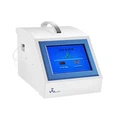
Glove Integrity Tester for Biopharma Facilities in 2026
Introduction
Glove integrity testing has grown into a key part of contamination control in pharmaceutical and biotechnology work. In 2026, as sterile manufacturing rules get stricter, facilities look at more than just test accuracy. They also want gear that fits smoothly into digital quality systems and long-term upkeep plans.
Many firms now treat glove integrity testers as one piece of a wider contamination control plan. That plan also covers filter integrity testing, cleanroom checks, and environmental monitoring. The systems need to combine solid performance, automation, and compliance.
NeuronBC's glove integrity testing solutions are designed for biopharma environments that demand accuracy, scalability, and reliability. The following sections explore the latest cleanroom integrity trends shaping 2026 and how NeuronBC supports modern sterile manufacturing.

img.medintegrity-glove-integrity-tester-wgt-1200.webp
Why Glove Integrity Testing Is Expanding Across Biopharma Facilities
Rising Regulatory Expectations for Sterile Manufacturing
The EU GMP Annex 1 revision states that a glove integrity test forms a basic step for pre- and post-production checks in aseptic work. External contamination can harm product quality. This focus means gloves must be checked before and after every production run.
Isolator system upkeep also differs from older aseptic setups. Gloves, half-suits, and seams need daily checks. A full preventive maintenance program must cover them. These rules make automated glove testing a practical choice for GMP compliance.
Growth of Isolator and Barrier Technology
Barrier systems such as RABS and isolators now appear often on aseptic filling lines. These setups protect both staff and products during pharmaceutical work. Gloves stay only fractions of a millimeter thick, yet they form the main contact point between operators and sterile zones. Their condition directly affects product safety.
Why Manual Glove Inspection Is No Longer Sufficient
Visual checks often miss tiny leaks or wear from repeated stress. Automated testers give steady readings and clear sensitivity limits. Human eyes under cleanroom lights cannot match that level of detail. As validation rules grow tighter, manual checks alone fall short of regulatory and daily needs.
Key Performance Requirements for Modern Glove Integrity Testers
Accurate Leak Detection for Critical Cleanroom Applications
Leak detection sensitivity decides if a tester can find defects smaller than visible pinholes without false alarms. Steady pressure control keeps readings consistent across repeated tests. This builds confidence during sterile runs.
Fast Testing Cycles for Production Efficiency
Shorter test times cut downtime during batch changes or shift handovers. Multi-glove testing lets several ports be checked at once. High-volume filling lines gain from this added throughput.
User-Friendly Operation in GMP Environments
Current testers use clear touchscreen screens and step-by-step guides. These features shorten training time. The screen lets operators handle machine functions with ease while a four-level access system keeps data secure. Daily use stays compliant yet simple.
Data Recording and Traceability Requirements
Digital records now form part of most GMP rules. Systems must hold electronic data safely and include audit trails. This keeps facilities ready for inspections at any time.
NeuronBC Glove Integrity Tester Compared with Traditional Systems
Integrated Testing Solutions for Biopharma Facilities
NeuronBC systems link into larger contamination control setups. They connect glove tests with filter integrity checks, cleanroom data, and isolator qualification reports. The wireless glove integrity testing systems create a contained space for the main testing steps.
Advantages in Equipment Integration and Workflow Compatibility
Modern facilities often care about how equipment fits into daily work. A strong tester is not only about detection sensitivity. It should also match cleanroom layouts, SOP requirements, validation plans, and data handling habits.
Comparison Area | NeuronBC Approach | Common Traditional Limitation |
| Equipment range | Supports several integrity testing needs | Often focused on one device type |
| Workflow fit | Practical setup for sterile sites | More fixed operation structure |
| Data handling | Supports stronger traceability direction | Basic record storage in some systems |
| Service response | Direct technical support focus | Slower response in some large-brand channels |
| Daily operation | Clear operation and training value | More complex setup in older systems |
This comparison does not mean every global brand performs poorly. Many leading brands have strong engineering backgrounds. The practical point is different: NeuronBC can be easier to work with for facilities that want direct support, flexible communication, and equipment that fits real production conditions.
Faster Technical Response and Operational Support
NeuronBC focuses on quick technical help. Global teams running around-the-clock lines need that speed. Spare parts, validation documents, and remote troubleshooting cut the risk of long stops.
Lower Complexity for Daily Operation and Maintenance
Simpler operation helps production staff and quality teams alike. Less frequent maintenance means fewer breaks during long production runs. That helps control costs over time.

img.biopharma-sterile-cleanroom-facility.webp
Cleanroom and Isolator Integrity Trends in 2026
Increasing Focus on Contamination Control Strategies
Manufacturers move toward closed processing and risk-based contamination plans. Environmental monitoring now feeds into real-time dashboards. These dashboards link directly to tools such as glove testers.
Digitalization of Cleanroom Testing Operations
Electronic records replace paper logs. Automated reports send results to central databases. QA teams can track trends across sites and plan maintenance ahead of time.
Demand for Multi-Equipment Compatibility
Facilities prefer modular platforms that work with isolators, RABS units, filter testers, and quality management software. This reduces overlap and gives clearer views of contamination control.
Long-Term Equipment Reliability in Continuous Production
Pharmaceutical plants value steady performance over time. Long-life parts lower replacement costs and keep calibration stable across years of use. Equipment often runs under strict validation rules without pause.
Practical Biopharma Implementation Scenarios
Sterile Filling and Aseptic Production Facilities
In filling areas that use isolators or RABS, glove testing before each batch change helps stop cross-contamination. Automated checks protect operators and keep sterile flow steady.
Biotechnology Manufacturing Plants
In biologics work, cell cultures can run for weeks or months. Small leaks could ruin large batches. Routine glove testing supports clean operations during these long periods.
Vaccine and Injectable Drug Facilities
Vaccine makers face close checks during inspections. Automated glove integrity testers speed up record keeping and give consistent results across shifts. This matters when output must meet global demand.
Contract Manufacturing Organizations (CMOs)
CMOs handle products from several clients at once. Traceability becomes vital. Central data storage eases audits, and flexible integration works with varied facility layouts without major updates.
Selecting a Glove Integrity Tester for Future Compliance Requirements
Performance Factors Buyers Should Evaluate
Buyers look at several points when comparing suppliers. These include leak detection sensitivity, test repeatability, cycle speed, user access controls, and electronic record features. Together they shape both compliance and daily efficiency.
Questions Facilities Should Ask Equipment Suppliers
Before purchasing a glove integrity tester, buyers should ask direct questions:
· How is test accuracy verified?
· What test records are stored?
· Can records be retrieved easily during audits?
· What validation documents are available?
· How fast is technical support after installation?
· Can the system fit existing isolator or cleanroom workflows?
· What spare parts are commonly required?
These questions sound basic, but they often reveal whether a supplier understands real plant operation.
Why Long-Term Support Matters in Sterile Manufacturing
Calibration services, spare parts, upgrade options, and troubleshooting help maintain compliance across years, not only at installation.
Why NeuronBC Supports Modern Biopharma Cleanroom Operations
Built for Sterile Manufacturing Environments
NeuronBC systems focus on reliable use in cleanrooms where time matters. The setup offers an economic glove testing system that checks the integrity of glove, sleeve, or gauntlet parts on isolators and RABS. Stable results match GMP expectations in many regions.
Supporting Integrated Contamination Control Programs
Wireless technology fits into broader contamination control networks. It links barrier checks with filtration validation and environmental monitoring to form one sterile assurance system.
Practical Advantages for Global Biopharma Facilities
Flexible integration, quick support response, and scalable models help both single-site plants and larger groups. These points reduce daily friction inside regulated sites.
Conclusion
Glove integrity testing now sits at the center of contamination control in biopharmaceutical manufacturing. As 2026 brings more automation, digital record needs, and complex barrier systems, facilities want solutions that deliver accuracy without extra complexity. NeuronBC meets this need through wireless systems that combine steady performance with smooth links to wider quality setups across cleanrooms.
Contact NeuronBC to discuss glove integrity testing solutions for sterile manufacturing and contamination control projects in 2026.
FAQs
Q1: Why is glove integrity testing important in biopharma facilities?
A: It lowers contamination risk by finding leaks or defects in gloves used inside isolators or RABS units before sterile steps start. This keeps product safety intact through cleanroom cycles.
Q2: What are the main advantages of automated glove integrity testers compared with manual inspection?
A: Automated units give repeatable results and better leak detection. They cut operator mistakes and create electronic records that fit GMP documentation needs.
Q3: How do glove integrity testers support contamination control strategies?
A: They confirm barrier performance at each production stage. This adds one more layer of containment reliability inside sterile zones and fits into overall contamination control plans.
Q4: What should pharmaceutical facilities evaluate before selecting a glove integrity tester?
A: Key points include leak detection precision, repeatability under pressure changes, ease of use in GMP workflows, electronic traceability, integration options, and supplier response times.
Q5: What advantages does NeuronBC provide compared with traditional systems?
A: NeuronBC supplies flexible integration across equipment types, simple interfaces with secure access levels, fast support response, scalable rollout, and steady results suited to current biopharma work.