


Optimizing Cleanroom Operations: The Integration of RTP Integrity Test Systems

In the fields of pharmaceutical, biotechnology, and medical device manufacturing, keeping a tight grip on cleanroom environments is extremely important for making sure products are sterile and that all rules are followed. It is vital. One very important part of this is the Rapid Transfer Port (RTP), which lets materials move safely between clean and sterile areas. Besides, with contamination control getting tougher and worldwide rules constantly changing, adding an RTP integrity testing system to cleanroom work is now both a needed and a very smart move.
The Role of RTP Integrity Testing in Cleanroom Operations
RTP integrity testing has a core function in keeping sterile areas safe during material transfers. It is a key step. Without this testing, companies could mess up their aseptic processes, which might lead to expensive shutdowns or failed inspections.
Why RTP Ports Are Critical in Controlled Environments
RTP ports are made to help with the sterile transfer of different items, like active pharmaceutical ingredients (APIs), excipients, or finished products, moving them between isolators, cleanrooms, and containment systems. These ports are really useful in high-level cleanrooms where it's absolutely necessary to keep environments separate. By making sure there's a closed, safe link between Alpha ports and Beta containers, RTPs do the following:
Enable secure transfer of materials between clean zones without compromising sterility
Reduce contamination risks during aseptic processing
Support compliance with GMP and regulatory standards
First of all, RTP systems also reduce the need for people to get involved, which is a main source of contamination in cleanrooms.
Key Challenges in Maintaining RTP Port Integrity
Even though they are so important, RTP ports can have a few problems. They are not perfect. For instance, some of these issues include:
Physical wear and tear from repeated use can deteriorate seals and gaskets.
Compatibility issues may arise with different port geometries such as circular or oval shapes.
Human error during manual sealing or docking can lead to undetected leaks or incomplete connections.
These difficulties really show why it's so important to have a dependable and adaptable RTP integrity testing solution in place.
Core Components of an Effective RTP Testing System
To guarantee steady performance, a full RTP testing system uses modern leak detection methods and works with many different RTP designs. This is a must.
Detection Methods for RTP Integrity Assessment
A strong RTP integrity testing solution uses several different methods to find leaks and check that the port systems are sterile. So that, nothing is missed.
Pressure Hold Testing
This method checks how well an RTP system can hold a certain internal pressure for a period of time. If the pressure level doesn't change, the port's seal is thought to be good. This way is great for finding big leaks or mechanical problems.
Pressure Decay Testing
By watching how fast the pressure goes down inside the sealed RTP system, pressure decay testing can find tiny leaks you might not see otherwise. It is very precise. Thus, this method is especially helpful when you need high sensitivity in aseptic manufacturing.
Flow Testing Techniques
Flow testing checks the flow of air or an inert gas through the port system to see how good the seal is. This method provides immediate feedback on how much is leaking and lets you check things as they are happening.
Compatibility with Different Port Designs and Systems
The best RTP integrity test system can handle a lot of different port shapes and sizes. It is very flexible.
Supports both circular and oval-shaped RTP ports
Integrates with Alpha ports and Beta containers across manufacturers
This adaptability means that places with all sorts of different equipment can use just one testing platform for their whole operation.
Integration Benefits for Cleanroom Efficiency and Compliance
Bringing an RTP integrity testing system into cleanroom operations offers real benefits, from making sterility more certain to cutting down on production stops.
Enhancing Sterility Assurance During Material Transfer
Testing RTP ports before you use them each time makes sure the seals are not broken. This greatly lowers the chance of contamination and helps keep sterile separations between cleanroom areas. What's more, it gives workers peace of mind that every single material transfer is keeping the product safe.
Streamlining Validation Processes and Regulatory Compliance
A modern RTP testing system makes it easier to follow important regulatory rules, for instance:
FDA 21 CFR Part 11
EU GMP Annex 1
GAMP 5
The testing methods meet the rules of the FDA and GMP, and also the requirements of USP and EP. Furthermore, automatic data recording creates safe, trackable records that are incredibly useful during audits or official inspections.
Reducing Downtime with On-Site, Portable Testing Solutions
Today's RTP test systems are small and easy to carry around, which lets cleanroom staff do tests right on the spot, and quickly. They are convenient.
Enables rapid testing without halting production lines
Improves operational flexibility during routine checks or troubleshooting
This approach helps avoid delays while keeping up with ongoing process checks.
Features That Support Operator Usability and Workflow Optimization
Being easy to use is a huge deal for any tool used in cleanroom settings. A good RTP test system should make it simple for operators to work with.
User-Friendly Interface Design for Efficient Operation
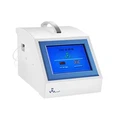
Systems that have simple touchscreen displays make it much easier to set up and run test cycles. This is a big help. As a result, it cuts down on the time needed to train operators and also reduces mistakes made by people during testing.
Real-Time Monitoring and Data Management Capabilities
A top-quality RTP tester will offer you:
Visual display of pressure curves and leak rates during testing cycles
Secure data storage enables traceability and analysis over time
Operators can therefore use the immediate information to make decisions while also keeping long-term data for making processes better down the road.
Applications Across Pharmaceutical and Biotech Industries
RTP integrity testing systems have a broad variety of uses in all kinds of sterile manufacturing areas.
Use in Sterile Manufacturing Facilities
RTP systems are important to stop cross-contamination when moving APIs, excipients, or finished products. They are essential. They also make sure dangerous materials are handled safely by checking for tight seals before any work begins.
Deployment in Biologic Production Environments
In biologic plants, where things like cell cultures and delicate biologics are handled in aseptic conditions, RTP testing keeps everything sterile during transfers. It is a safeguard. It also helps with containment plans for very strong compounds that need extra protection.
Utility in Medical Device Packaging Cleanrooms
Makers of medical devices use RTPs when they are packaging things aseptically. Testing these transfer points makes quality control better by making sure that key parts stay sterile all through the packaging process.

Introducing NeuronBC: A Trusted Partner in Laboratory Equipment Solutions
NeuronBC is a top company that offers high-quality lab solutions made for today's sterility assurance challenges.
Commitment to Quality Control Innovation
NeuronBC, a U.S.A.-based company, concentrates on precise testing tools and the disposable items that go with them in the pharmaceutical field. Its main products include: Filter Integrity Tester, Total Organic Carbon (TOC) Analyzer, Glove Integrity Tester, Freezing Point Osmometer, Air Filter Housing Heating Cover, Cartridge Filter, and Filter Housing.
Their products help with many different cleanroom validation needs, such as checking filter integrity, monitoring the environment, and doing TOC analysis for WFI systems.
Comprehensive Support from Consultation to After-Sales Service
The company is a helpful partner that gives its clients many kinds of solutions for testing procedures, figuring out problems, and lab research. They are very supportive. The company provides full support for the whole life of the product:
Technical guidance on system integration
Calibration, maintenance, and validation services
Their focus on the customer ensures that every setup is made to work well and stay compliant for a long time.
Summary of Key Benefits from RTP Integrity Test System Integration
Improved Contamination Control Across Cleanroom Zones
Enhanced Compliance with Global Regulatory Standards
Increased Operational Efficiency Through Real-Time Testing
FAQs:
Q1: What is the purpose of RTP integrity testing in cleanroom environments?
A1: RTP integrity testing makes sure that the Rapid Transfer Port keeps a sterile barrier when materials are being moved. It checks for any leaks or gaps that could hurt product quality or the cleanroom environment.
Q2: Can the NeuronBC RTP Test System be used with different port types?
A2: Yes. The system works with many port designs, including circular and oval ones, as well as Alpha ports and Beta containers. It offers flexible integration for many kinds of cleanroom setups.
Q3: How does the system help meet regulatory compliance requirements?
A3: The NeuronBC RTP Test System follows FDA 21 CFR Part 11, EU GMP Annex 1, and GAMP 5. It gives you secure data logging, records you can trace, and validated test methods that are needed to stick to GMP rules.