



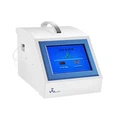
Glove Integrity Tester Retrofit for Existing Isolators
A glove integrity tester retrofit may look like a straightforward equipment purchase, but it affects procurement, engineering, QA, validation, and production at the same time. The tester must fit existing glove ports, support controlled pressure decay programs, create traceable records, and enter service without making routine testing harder for operators.
That is why the project needs to begin with the installed isolator, not a generic feature list. Buyers comparing glove integrity tester systems need to review the port interface, software, qualification documents, training, calibration, and service as one package. When those elements are defined early, supplier quotations become easier to compare and the path from delivery to approved use becomes much clearer.

Img.pharmaceutical isolator with glove testing.webp
Why Retrofit Compatibility Comes First
Existing isolators and restricted access barrier systems, or RABS, do not use one universal glove port design. Two ports with a similar diameter may still differ in flange depth, cuff position, sealing surface, sleeve arrangement, or clearance around nearby hardware. These details affect mounting, sealing, operator access, and the design of the test adapter.
Match the Complete Glove Port Assembly
A technical review needs more than one measurement. Port shape, flange thickness, sleeve design, glove material, cuff location, sealing surfaces, nearby clamps, and operator access all matter. The NEURONBC WGT-1200 glove integrity tester can be supplied with a customer-made glove tray. This lets the test setup follow the installed port geometry instead of requiring unnecessary changes to the isolator.
For an accurate quotation, provide dimensioned drawings plus front and side photographs of the port. These details allow the supplier to review adapter geometry and available installation space before production begins.
Review Routine Isolator Operation
The tester also needs to fit the daily workflow. Operators may move it between ports, disinfect contact surfaces, charge the battery, and review results. Cable routing and PC location can affect how smoothly that work is completed.
The WGT-1200 uses wireless PC communication and includes a built-in sanitary air pump and lithium battery. It has IP65 protection, at least six hours of continuous battery operation, and a test duration of 2 to 8 minutes. This configuration can simplify routine setup around isolators and RABS while reducing unnecessary connections near the glove ports.

Img.WGT-1200 glove integrity tester on pharmaceutical isolator.webp
Build Validation Requirements into the RFQ
Mechanical fit brings the isolator glove tester onto the port. Validation establishes whether the result can support a GMP decision. If expectations are left until after purchase, software documents, test program development, calibration records, or site execution may fall outside the original quotation.
A stronger RFQ defines the intended use before suppliers prepare proposals. It gives procurement a fair basis for comparison and gives QA a clearer route from delivery to approved operation.
Define the User Requirement Specification
The user requirement specification, or URS, needs to reflect the actual testing process. It can include glove and sleeve materials, port types, test programs, operator roles, electronic record controls, calibration expectations, reporting format, and parallel testing needs.
Separate mandatory functions from preferred options so the project stays focused on production requirements. For many retrofit projects, suitable port adapters, dependable records, and clear qualification responsibilities create more value than software functions that may never be used.
The URS can also define who is permitted to create, edit, approve, and run test programs. This becomes important when several isolators use different glove materials or acceptance limits.
Qualify Positive-Pressure Leak Testing for Each Glove Type
Positive-pressure pressure decay testing is influenced by glove material, internal volume, stabilization time, temperature, test pressure, and the selected acceptance limit. A program approved for a small butyl glove cannot automatically transfer to a larger assembly made from another material.
The WGT-1200 supports multiple programs for different glove specifications and materials. Each approved program needs a clear link to a defined glove port assembly and acceptance criterion. During supplier review, ask how programs are created, protected from unauthorized changes, backed up, and requalified after a glove, sleeve, or adapter change.
The qualification plan also needs to cover repeat testing, failed results, and program version control. Without these rules, different operators may respond to the same result in different ways.
Define Electronic Record Controls
RFID glove number identification can reduce manual entry and connect a result to the correct test position. The WGT-1200 also includes audit trail functions, data export, and software features intended to support controlled electronic records and signatures.
QA and IT need agreed rules for user access, password management, record retention, backup, audit trail review, time settings, and change control. The useful purchasing question is not only whether the software supports 21 CFR Part 11 workflows. It is how the complete system will be validated for its intended use.
Buyers can also ask how records are searched, exported, reviewed, and retained. These practical functions often matter more during an audit than a long list of software features.
Follow a Practical Isolator Retrofit Workflow
A disciplined retrofit process reduces technical rework and keeps commercial expectations clear. The sequence begins with site information, moves through adapter and system configuration, and ends with qualification, training, and release for routine testing.
This process also keeps departments aligned. Engineering confirms the physical interface, QA reviews documentation, production protects the available shutdown window, and procurement compares proposals against the same scope.
Start with a Site Survey and Port Map
Create a port list for every isolator or RABS in the project. Record port dimensions, glove and sleeve materials, identification method, testing frequency, available test window, and required concurrent tests.
Total port count and parallel capacity are not always the same. An eight-port isolator may only need several tests to run at once if the production schedule provides enough time. Matching capacity to the workflow avoids under-sizing and unnecessary capital spend.
The site survey can also cover charging locations, unit storage, PC placement, wireless communication, and operator movement. These points rarely appear in a basic product comparison, but they have a direct effect on routine use.
Confirm the Adapter and System Configuration
One PC can communicate with up to 10 WGT-1200 detection units at the same time. This is the maximum supported configuration, so the final unit count can follow the required testing window rather than the total number of ports.
Before approval, confirm the glove tray drawing, sealing method, installation clearance, RFID workflow, software setup, charging arrangement, data export, and storage plan. MedIntegrity's article on wireless glove integrity testing for isolator and RABS operations provides further workflow context for multi-unit testing.
This review is also the right time to decide whether several isolators can share the same controlled program library or whether each barrier system requires separate recipes.
Define FAT, SAT, Qualification, and Training
The proposal needs to state who prepares and executes factory acceptance testing, site acceptance testing, IQ/OQ, calibration, test program development, and operator training. Broad phrases such as "validation support available" leave too much room for different interpretations.
MedIntegrity provides customization, equipment operation training, maintenance guidance, testing instruction, calibration-related support, and after-sales service. Buyers can review its technical training and support services and list required deliverables in the RFQ.
Training needs to match user roles. Operators may require instruction on mounting, routine testing, result review, and disinfection. System administrators may need additional training on accounts, programs, audit trails, backups, and data export.
The handover package can also identify the documents supplied after installation, the calibration status of each unit, and the approved point of contact for technical support.
Compare Glove Integrity Tester Price by Total Installed Cost
The base glove integrity tester price is only one part of the investment. Adapter design, software, qualification, training, calibration, spare parts, travel, and installation support all affect commercial value.
A total installed cost comparison gives management a stronger basis for capital approval and reduces the risk of leaving important tasks outside the purchase order.
Include the Full Commercial Scope
A comparable quotation can cover:
Test units and control software
Standard or custom glove port adapters
FAT, SAT, IQ/OQ, and calibration documents
Test program development and technical review
User and maintenance training
Software licenses and data interfaces
Batteries, spare parts, travel, and after-sales service
The RFQ also needs the installation country, desired delivery date, shutdown window, isolator model, port drawings or photographs, glove materials, port quantity, testing frequency, and electronic record requirements.
Ask suppliers to separate mandatory items, recommended items, and future options. This makes it easier to see which costs are required for startup and which can be added when production capacity grows.
Evaluate Service and Lifecycle Support
A retrofit project continues after delivery. Calibration, software questions, replacement parts, and future port changes can all create support needs. Direct manufacturer communication is useful when a project includes custom glove trays or application-specific test programs.
When comparing proposals, review the service contact route, training format, warranty terms, repair process, calibration approach, and the documents supplied after service work. A quick technical answer can be just as important as a hardware feature when production is waiting for a decision.
Lifecycle planning can also cover battery replacement, spare-unit strategy, software backups, account administration, and the process for adding new glove port assemblies later.
Select the Best Fit for the Application
The best glove leak tester is not defined by one headline specification. Existing isolators often need suitable adapters, the right number of test units, controlled records, clear qualification responsibilities, and responsive technical communication.
For these projects, the WGT-1200 combines wireless multi-unit operation, RFID identification, IP65 protection, customer-made glove trays, built-in air supply, battery operation, audit trail functions, and data export. The final configuration can reflect the installed barrier system, testing workload, and validation plan without unnecessary complexity.
A well-matched system gives operators a practical routine, gives QA traceable results, and gives procurement a commercial scope that can be defended internally.
Conclusion
A pharmaceutical glove integrity tester retrofit needs to make routine barrier testing easier to perform, review, and maintain. Compatibility, pressure decay programs, electronic records, qualification documents, training, and lifecycle support all belong in the purchase decision.
MedIntegrity WGT-1200 brings these capabilities into a configurable system for existing isolators and RABS. To request a technical review and commercial proposal, send NEURONBC the isolator model, port dimensions or photos, glove material, port quantity, testing schedule, and validation requirements.
FAQ
Q1: Can one glove integrity tester be used with isolators from different manufacturers?
A: Yes, when the glove tray, adapter, sealing method, installation clearance, and test program are matched to each glove port assembly.
Q2: What information is needed for an isolator glove tester quotation?
A: Provide the isolator or RABS model, port drawings or photos, glove and sleeve materials, port quantity, required parallel capacity, data requirements, validation scope, and installation location.
Q3: How can buyers compare glove integrity tester price quotations?
A: Compare adapters, software, FAT or SAT, IQ/OQ documents, calibration, training, spare parts, travel, and after-sales service in addition to the base equipment price.
Q4: What 21 CFR Part 11 functions need review in a glove leak tester?
A: Review user access, electronic signatures, audit trails, record protection, data export, backup, retention, and the documentation needed for system validation.
Q5: Can the same pressure decay program be used for different glove materials?
A: Not automatically. Glove elasticity, volume, sleeve design, stabilization behavior, and test conditions may differ, so each assembly needs an approved program.